

A café can be more than a business. It can be a place people return to as part of their day. If you are considering a cafe franchise without restaurant experience, the first year is where you build the foundation that makes that possible. Think clear routines, a well-trained team, and a consistent standard that guests recognize right away.
This post breaks down what to expect in year one, how the owner role really works, and the training questions worth asking before you take the next step.
Do You Need Restaurant Experience to Own a Franchise
This is one of the most common questions serious buyers ask, and it is a smart one. In many franchise models, the expectation is not that you arrive as a restaurant expert. The expectation is that you arrive ready to learn, lead, and follow standards.
A franchise is built to provide you with an operating framework so you do not have to invent processes from scratch. According to the Federal Trade Commission’s consumer guide, franchise systems typically provide a defined format plus varying levels of assistance, which is why many owners focus on learning the system rather than coming in with restaurant experience. That framework typically includes training, documented procedures, vendor guidance, brand standards, and launch support.
Here is the simple truth that helps most first-time owners: restaurant experience is helpful, but it is not the only path to readiness. Leadership, consistency, and coachability often matter more.
Once the experience question is answered, the next step is getting clear on what your role truly looks like in the first year.
What Your Role Really Is in Year One
Year one is the foundation year. You are learning the rhythm of the café, building the team, and setting the standard for how the business runs. It is not about doing everything forever. It is about learning enough to lead well and create routines your team can repeat.
Before getting into the timeline, it helps to see the role in plain language.
Cafe Franchise Owner Responsibilities
Your responsibilities tend to fall into a few clear categories. Think of yourself as the leader who creates consistency.
Here is what that usually includes:
-
People and culture: hiring, onboarding, scheduling, coaching, and building a positive team environment
-
Standards and consistency: making sure product quality, presentation, and cleanliness stay on brand
-
Guest experience: staying visible, responding to feedback quickly, and keeping service smooth
-
Operations rhythm: ordering, prep routines, opening and closing checks, and maintaining flow
-
Local visibility: building relationships in the community and supporting local marketing efforts
-
Business basics: reviewing a small set of numbers weekly and acting on what they tell you
What Does A Franchise Owner Do Daily? A Realistic Snapshot
A “typical day” changes by location and team maturity, but early on, it often looks like this.
Daily rhythm often includes:
-
Walk through the café and check readiness, cleanliness, and product setup
-
Review staffing and shift coverage
-
Coach one priority standard for the day, such as flow or presentation
-
Support peak periods by staying present and keeping the team on pace
-
Wrap with a quick recap so tomorrow starts prepared
Now that the day-to-day is clear, the question becomes how you build confidence quickly when this is your first café operation.
Your First Year Roadmap with No Experience: From New Owner to Confident Operator
If you are learning on the job, structure helps. This is the simplest way to learn how to run a café franchise in year one, step by step, without guessing.
Each stage has a clear goal. Learn first. Stabilize next. Then lead with confidence.
Months 1-3: Learn The System and Stabilize the Shift
In the earliest stage, your focus is simple: learn how the café runs when it is running well, then repeat it.
Priorities typically include:
-
Completing training and aligning with brand standards
-
Continue to build out your core team and building a reliable shigy schedule
-
Establishing opening and closing routines so every day starts clean and ends prepared
-
Learning the pace of peak periods and where slowdowns tend to happen
-
Building comfort with ordering and prep rhythm
A strong first quarter is not about perfection. It is about consistent fundamentals.
Months 4-6: Build Consistency and Tighten Execution
Once routines are stable, you will start to see where small changes create big ease. This is where a first-time franchise owner begins feeling real momentum.
Focus areas often include:
-
Improving the speed of service by tightening the flow and roles during peaks
-
Reducing waste through smarter prep pacing and clearer pars
-
Coaching presentation so every item looks intentional and consistent
-
Strengthening shift leadership so the café runs smoothly even when you step away
This is also a great window to build a steady local rhythm so guests begin returning on habit.
Months 7 - 12: Delegate Smart and Lead The Business
In the second half of year one, the goal is to move from hands-on learning to confident leadership.
This stage often includes:
-
Developing one or two leaders who can run shifts with confidence
-
Creating simple weekly routines around scheduling, ordering, and team development
-
Spending more time on coaching, community visibility, and guest experience
-
Reviewing trends and making small adjustments that keep operations clean and consistent
When you do not come from restaurants, the quality of training matters even more. That leads to the next question: What should franchisor support look like before you sign?

Franchise Training for Beginners: What to Look For and What to Ask
Many owners start as a franchise without restaurant experience and grow into confident operators because training makes the system feel learnable and repeatable. The goal is not to overwhelm you with information. The goal is to give you habits, tools, and standards you can run every day.
Before making a decision, it helps to know what strong training typically includes and what questions reveal real support.
What Strong Training Often Includes
Look for a training path that covers both the café floor and the owner's responsibilities behind the scenes.
Strong training commonly includes:
-
Operational standards for opening, closing, cleanliness, and food safety
-
Product build guides for consistency and presentation
-
Service flow coaching so ticket times stay smooth during peak periods
-
Hiring and scheduling basics, including onboarding and role clarity
-
Opening support so your first weeks feel guided and organized
-
Ongoing support rhythms so you continue improving after launch
A helpful benchmark is that training should feel specific enough that you can picture your first week running the café.
Questions to Ask Before Signing
When support is strong, the answers are clear and specific. Ask questions that reveal what happens in real life.
Bring questions like these:
-
What does the training schedule look like, and how long is it
-
Who trains my team and me, and what parts are hands-on
-
What happens in the first week after opening, and who is with me
-
What support is available after month one
-
What tools do franchisees use to stay consistent
One more smart step before you sign anything: take time with the Franchise Disclosure Document (FDD). The FTC recommends using the disclosure documents and asking the right questions before you invest. So read the FDD, talk to a few current franchisees, and get clear on total investment, ongoing fees, and what the first-year time commitment really looks like.
Café Franchise Without Restaurant Experience Owner Operator vs Manager Run
In year one, the goal is confidence and consistency. That is why many owners choose a more hands-on rhythm at first, then shift toward manager-led once the café is running smoothly.
Owner Operator In Year One
Owner operator does not mean doing every task. It means being present enough to learn the system, coach standards, and set the tone.
An owner-operator approach helps because:
-
You learn the rhythm of the café quickly
-
Your team gets clear standards early
-
You stay close to the guest experience
Manager Run As The Café Stabilizes
A manager-run model can be a great next step once routines are consistent and shift leaders are strong.
Manager run becomes more realistic when:
-
Your systems are repeatable and documented
-
Your leaders can coach standards consistently
-
You have a steady weekly review routine
Once your operating path is clear, a quick readiness checklist helps you confirm whether this ownership style fits your strengths.
Quick Readiness Checklist for First-Time Franchise Owners
A first year can feel busy and still be enjoyable when your strengths match the role. If you can say yes to most of the items below, you are likely a strong fit for a café franchise even without restaurant experience.
Readiness checklist:
 I enjoy leading people and building a positive team culture
I can follow a playbook and stay consistent day to day
I am comfortable being hands-on in the first year
I can coach standards kindly and clearly
I can learn basic business numbers and review them weekly
I care about guest experience and community connection
I can stay calm during busy moments
I am willing to improve one system at a time
When you are ready to explore options, it helps to see a real franchise example that welcomes strong leaders, even without restaurant resumes.
A Café Franchise Investment Option That Welcomes Owners Without Restaurant Experience
When evaluating a franchise, the question is not only whether experience is required. The better question is whether the brand has the training, support, and operating standards to help a new owner build confidence quickly.
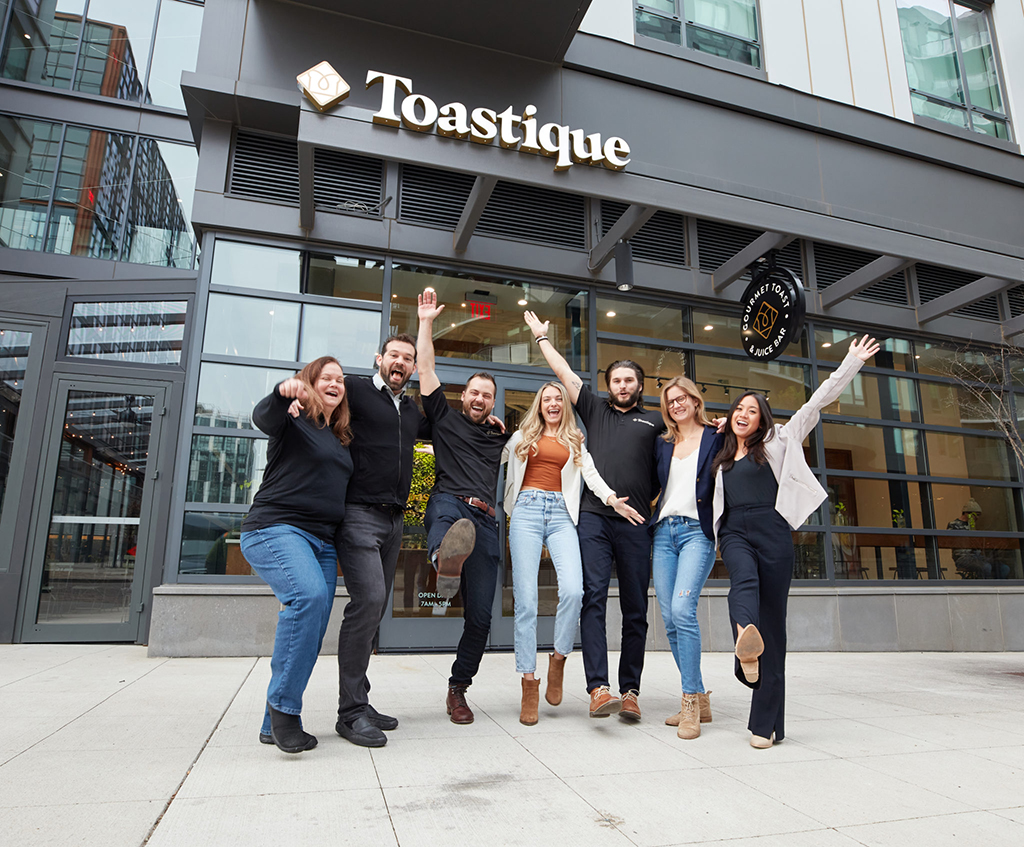
Toastique is one café franchise example that looks for leadership and people skills over restaurant experience. Toastique Westlake Village, in particular, reflects the brand’s focus on community-driven ownership and strong operational support for new franchisees. They back it up with training and support that’s built for first-time owners. Toastique highlights hands-on training plus opening support and ongoing guidance after launch, so you’re not figuring everything out alone once the doors open.
Here is what to look for in a franchise option like this:
-
Clear training and launch support: a guided path from training through opening week
-
Simple daily routines: standards that make quality and service consistent
-
A menu that creates natural demand: visually appealing items that guests return for
-
Operational support after opening: coaching and resources that continue beyond the grand opening
If this sounds like the kind of ownership experience you want, the final step is choosing a clear next action that keeps your research moving forward.
Next Step: If a Café Franchise Feels Like Your Path
If your biggest question is experience, focus on the two factors that make the difference: a proven system and your willingness to lead consistently in year one. When those align, you can build a café that becomes part of your community’s daily rhythm.
If you want to explore a modern café franchise model with a visual menu, streamlined operations, and strong support, Toastique is one option worth a closer look.
Next steps:


