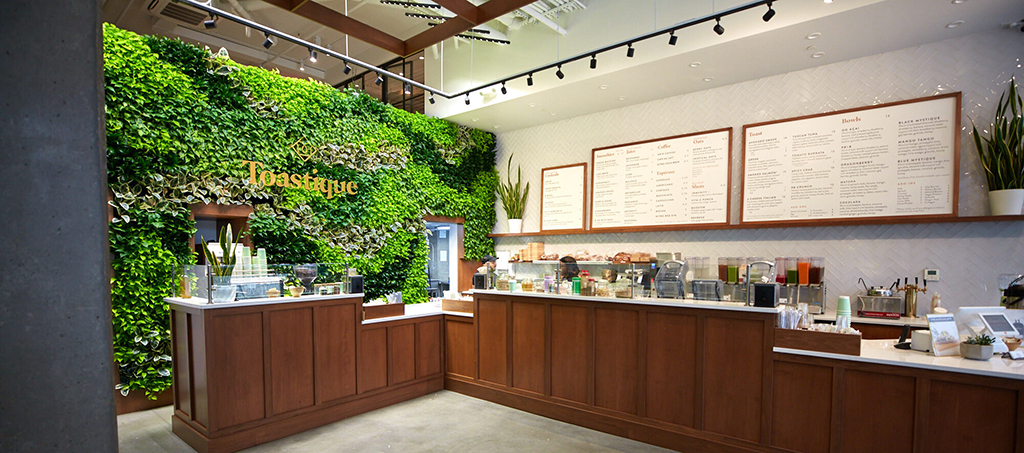
You can own a breakfast franchise with no experience and still feel confident stepping into ownership. The key is choosing a concept with a proven playbook and hands-on training, then showing up with the kind of leadership that helps a team thrive.
This post keeps it simple and practical. You’ll learn the skills that matter most, what strong franchise training and support should look like, how to pick a franchise without experience that fits your style, and what your first year can look like as a first-time breakfast franchise owner (you can explore that path here: breakfast franchise opportunity).
You Don’t Need Experience, You Need The Right Starting Skills
A strong franchise model is built to be repeatable, which is a really good thing when you’re stepping into ownership from a different background. Your success is less about having restaurant experience and more about leading well, following a clear set of standards, and helping your team feel confident during the rush.
If you’re coming from another industry, you may already have the skills that matter most here. Clear communication, steady people leadership, and practical problem-solving go a long way in keeping the day-to-day running smoothly. And you’re not imagining the importance of team leadership. In the 2024 IFA FRANdata Annual Franchisee Survey, 68% of franchisees reported labor difficulties, which is a helpful reminder that strong people skills are a real advantage in franchising.
Before we get into training, let’s focus on the skills that set owners up for a strong first year.
The Skills That Matter Most In Year One
These are the skills that make your first year feel smoother, especially when you’re building a team and setting the pace.
Skills that help you start strong:
Strong leadership and people skills: setting clear expectations, keeping energy positive, and helping your team feel confident during the morning rush
Hiring and coaching:choosing people who fit the vibe, then training them with patience and consistency so they grow fast
Organization that keeps the day calm: using checklists, prep rhythms, and simple routines so nothing feels last-minute
Guest experience mindset: creating a warm, welcoming café where guests feel remembered and want to come back
Coachability: taking feedback, making small improvements, and staying steady as you build your groove
Once you know what you bring to the table, the next piece is making sure the franchise gives you a clear path to follow.
Franchise Training And Support Is What Makes No Experience Possible
Great franchise training and support should feel like a roadmap. You’re learning the routines, the standards, and the flow of the business in a way that makes opening day feel exciting and clear.
When you’re comparing brands, look for training that builds confidence in both operations and leadership. You want to understand what happens behind the counter, and also how you’ll lead the team, manage a shift, and keep quality consistent.
To keep it simple, here’s what a strong training program usually covers.
What To Look For In A Training Program
Look for training that includes:
Daily operations routines: opening, closing, prep, and quality checks
Service flow: how the team stays in sync during busy hours
Systems and tools: POS basics, reporting, and the numbers you’ll track
Ordering and inventory: how to stay stocked and reduce guesswork
Team leadership:scheduling rhythm, coaching, and standards
Launch planning: what happens before opening and how to build early momentum
Training should feel specific. So next, here’s a real example of what structured training can look like.
What Training Can Look Like In A Real System
In our system at Toastique, initial training is designed to be detailed and hands-on, so you can move from learning to leading quickly. Training runs over an approximate four-week period and includes 254 total hours, with 32 hours of remote pre-training and 222 hours of hands-on, on-the-job training.*
Training is based in Washington, D.C. (with a remote component) and covers the building blocks of running the café day to day, including front-of-house and back-of-house routines, food and equipment safety procedures, POS and admin systems training, vendor ordering and inventory management, and full store management.
We also build training to support the team you’ll run with. The program is designed for the owner or managing owner, plus one designated manager who will work in the café in a leadership capacity. That way, you’re building leadership and operational rhythm from the start.
With training in place, the next step is choosing a model that fits your strengths and keeps daily operations clean and repeatable.
Franchise Without Experience: How To Pick The Right Model
If your goal is to find a franchise without experience that feels realistic and enjoyable to run, look for a concept that’s streamlined. Simple operations protect speed, consistency, and the guest experience, which makes the business easier to manage and easier to staff.
A few signs a model is beginner-friendly:
A counter-service flow that stays smooth during busy times
Clear roles behind the counter so your team knows exactly what to do
Repeatable menu builds that support consistent quality
A guest experience that feels welcoming and easy to return to
Now, let’s touch on one of the most common questions for morning-forward concepts.
Breakfast Franchise Requirements: What You Actually Need
“Breakfast franchise requirements” can sound like a list of past jobs. In reality, it’s usually about readiness, leadership, and involvement.
What tends to matter most:
Hands-on involvement in year one:being present for hiring, training, and early culture
Comfort leading people: setting expectations and supporting the team
Follow-through: using the playbook consistently and keeping standards steady
If you want a quick fit check before you go deeper, these questions help keep the decision clear.
A Quick Fit Check Before You Commit
Ask yourself:
Do I enjoy leading people day to day
Am I comfortable learning quickly and following a proven process
Do I want a guest-facing business with community energy
Can I be hands-on in year one to build a strong foundation
If that feels like a match, the next thing most future owners want is a real picture of year one.
First Time Franchise Owner: What To Expect In Your First Year
As a breakfast first-time franchise owner, your first year is about building rhythm. You’ll spend the early months creating consistency, strengthening the team, and learning the patterns that make the café run smoothly.
Most owners focus on:
Hiring and training a team that feels proud of the work
Getting the service flow smooth during peak windows
Dialing in inventory and ordering routines
Building local repeat traffic through consistent execution
Then, as routines settle in, your role becomes more comfortable. You’re not chasing every detail. You’re leading the day, coaching the team, and building momentum week after week.
Before we wrap, here’s a quick checklist that keeps your evaluation focused on what matters.
Checklist: Own a Breakfast Franchise With No Experience The Smart Way
Use this checklist to compare opportunities with confidence:
A simple no-experience franchise checklist:
Does the brand provide structured training and ongoing support
Is the day-to-day operation repeatable and easy to staff
Is the menu and service model designed for speed and consistency
Are year-one expectations clear and realistic
Do you feel aligned with the guest experience and brand style
Can you picture yourself leading in this environment every day
What To Look At Next
If you’re starting to see how you could own a breakfast franchise with no experience, the next step is simple. Take a closer look at what support looks like in real life, and whether the owner profile feels like a match for how you like to lead.
If you’re asking if juice bar franchises are profitable, you’re in a really good place. This is the kind of question confident, thoughtful owners ask before they take the next step. You’re not just looking at a great menu.
You’re looking at the bigger picture: steady demand, repeat visits, and a model that can support real profit while still feeling simple to run day to day.
In today’s market, juice bar franchises can be profitable, especially when they’re built around everyday routines, quick service, and an all-day flow of guests.
In this post, we’ll keep it clear and practical. We’ll look at juice bar franchise profitability, what “profitable” actually means, the drivers that matter most, how juice bar startup costs connect to your runway, and what a straightforward juice bar business plan should include.
Are Juice Bar Franchises Profitable? What “Profitable” Really Means
Before you compare brands, it helps to define the word “profitable” in a way that feels clear and useful.
Here’s the simple breakdown owners use:
Gross Sales: total revenue that comes through the register
Profit: what’s left after operating costs like labor, rent, ingredients, and required marketing
Owner Income: what you choose to pay yourself from profit, based on your role and growth plans
This is why you’ll hear different answers to the same question. Two stores can have similar sales and very different profit results depending on staffing, rent, speed of service, and how consistent the operation is. That difference usually shows up in your juice bar profit margin over time
Now that the definition is clear, let’s talk about what usually drives juice bar franchise profits day to day.
The Biggest Drivers Of Juice Bar Franchise Profits
Profit usually comes from doing a few core things consistently. The strongest juice bar models tend to win on daypart coverage, speed, and repeat visits.
Menu Mix And Daypart Coverage
A juice bar concept often performs best when it fits more than one moment in someone’s day. Morning routines, lunch breaks, and afternoon pick-ups add up fast when the menu supports them.
A simple way to picture daypart coverage is:
Morning: cold-pressed juices and coffee
Midday: bowls and toasts that feel fresh and filling
Afternoon: smoothies and grab-and-go favorites
When a menu works across the day, you’re not relying on a single rush. You’re building a steadier rhythm, and that makes planning easier.
Throughput And Speed Of Service
Throughput is a big word for a simple idea: how many orders you can complete during your busiest times. When service is smooth, sales have more room to grow. Research on perceived service pace and customer satisfaction shows that faster-paced service can increase satisfaction, as long as it still feels comfortable for the guest.
A few things that help protect speed are:
Clear menu flow
Repeatable prep steps
A layout that supports quick assembly and clean handoff
Fast service also supports repeat visits. Guests love places that feel easy to fit into their day.
Repeat Visits And Routine
Juice and smoothie concepts do well when they become a habit. That habit is built through consistent product, friendly service, and a space that feels good to walk into.
A bonus in this category is that vibrant, colorful items often get shared organically. That kind of word-of-mouth can support steady interest over time.
Profit drivers matter, and so does the cost side. Let’s connect profitability to what it takes to open.
Juice Bar Startup Costs And How They Connect To Profitability
When you look at juice bar startup costs, it helps to think beyond opening day. Your upfront investment affects your runway, your early momentum, and how steadily you can build repeatable operations in the first few months.
For independent juice bars, startup costs can vary widely depending on your location, footprint, and buildout requirements. Equipment alone can also swing the total significantly based on whether you’re building a full prep line, adding refrigeration capacity, or optimizing for higher throughput. These ranges are useful as general context because they highlight two of the biggest cost drivers: the space and the equipment you need to run it well.
For Toastique specifically, our 2026 Franchise Disclosure Document (FDD) discloses an estimated initial investment starting at $471,152*1. For additional context, the same 2026 FDD discloses that franchise outlets open two years or more reported average gross sales of $745,577*2. These figures are provided as disclosed in the FDD for context only and are not a promise or prediction of results. Performance varies by market and operator, and outcomes depend on many factors.
If you want a clean way to think about costs that influence profitability, break them into buckets:
Buildout: the space and layout that support speed
Equipment: tools that help deliver consistent quality at pace
Inventory: enough product to open confidently and stay in stock
Opening Marketing: a launch plan that drives early trial and repeat visits
Working Capital: cash on hand to keep operations steady while routines build
Once you understand the cost buckets, your next best move is turning them into a plan you can actually run.
Footnotes
*1. Estimated Initial Investment starting at $471,152. Refer to 2026 Franchise Disclosure Document, Item 7.*2. Franchise Outlets Open for Two Years or More, Average Gross Sales: $745,577. Refer to 2026 Franchise Disclosure Document, Item 19, Table 10.
What A Juice Bar Business Plan Should Include To Protect Profit
A juice bar business plan does not need to be complicated. The best ones are short, clear, and built around the numbers and habits that protect profit.
Break-Even Basics
Break-even is the point where your sales consistently cover your costs. You don’t need a perfect forecast. You need a realistic starting point.
A simple break-even plan usually includes:
Your expected average ticket
Your estimated daily orders during peak periods
Your fixed costs, like rent and required fees
Your variable costs like ingredients and hourly labor
Even a basic 90-day forecast helps you plan staffing, ordering, and local marketing with more confidence.
Pricing And Margin Guardrails
Pricing works best when it stays consistent and easy for the team to execute. Simple pricing supports speed, and speed supports sales.
A few helpful guardrails are:
Keep pricing consistent across similar items
Protect best-sellers with repeatable portioning and prep steps
Offer add-ons that feel natural and quick to deliver
Staffing And Training That Support Speed
Labor is one of the biggest day-to-day levers. The goal is not “less staff.” The goal is the right staffing at the right times, with a team that feels confident.
What often helps:
Scheduling that matches peak windows
Cross-training so team members can flex where needed
A service flow that keeps the line moving
Now let’s talk about franchising, because choosing a franchise can simplify a lot of the planning and help you open with a clearer playbook.
What To Look For In A Juicing Franchise That Can Perform
A juicing franchise can be a great fit if you want a proven system instead of building everything from scratch. The right model gives you structure, training, and support that help you move faster with more confidence.
Support That Matters In Year One
Year one is where routines get built. Strong support can make that year feel smoother and more focused.
Support often looks like:
Training that covers operations, marketing, and guest experience
Opening guidance with a clear timeline and launch plan
Ongoing coaching that helps you stay consistent and improve
Operating Simplicity And Speed
Some concepts are designed for daily convenience and strong throughput. That matters because operational simplicity helps protect consistency.
A few signs of operating simplicity are:
Streamlined prep steps
Clear station setup
Consistent vendor standards
A layout designed to keep service moving
Now that you know what to look for in a franchise model, let’s make this practical with a quick look at how our concept is built around these drivers.
How Our Model Supports Profitability Drivers
At Toastique, we’re built as an all-day café experience where cold-pressed juices play a leading role, supported by smoothies, bowls, and gourmet toasts. The goal is simple: create more reasons for guests to visit more often, and make the experience consistent every time.
Here’s how that connects to profitability drivers:
Daypart Coverage: options that work from morning through afternoon
Shareable Menu Experience: vibrant items guests genuinely enjoy posting and recommending
Streamlined Café Flow: designed for throughput and daily convenience
Training and Support: systems that help owners open with clarity and keep standards consistent
If you want to see the full concept overview, the next step is our juice bar franchise opportunity page.
Now let’s zoom out and talk about how to choose the right fit when you’re comparing options.
What To Look For In The Best Juice Bar Franchise
The best juice bar franchise is the one that matches your goals, your market, and how hands-on you want to be, especially in year one.
Here are performance-friendly signals to look for:
Clear Investment Expectations: transparent ranges and what’s included
Strong Training And Support: practical playbooks plus launch planning
All-Day Demand Potential: menu mix that supports repeat visits
Operational Simplicity: systems that help the team move quickly and stay consistent
Market Guidance: support that helps you choose the right location and territory strategy
Once you’ve compared the model, the next question is usually about owner income. Let’s talk about it in a realistic, encouraging way.
How Much Do Juice Bar Owners Make?
Owner income varies, and that’s normal. It reflects differences in rent, labor, traffic, and how involved the owner is day to day.
A helpful way to think about it is: owner income comes from profit, and profit comes from consistency.
A few factors that commonly shape owner income are:
Rent and Footprint Fit: A right-sized location can support stronger economics
Labor Plan: Smart scheduling and cross-training protect efficiency
Ingredient Management: Consistent portioning and ordering rhythm help protect margin
Volume and Repeat Visits: Steady traffic supports predictable performance
Your Role: Many owners build toward consistent pay as operations stabilize
Now let’s turn everything into a quick checklist you can use while you research.
Profitability Checklist For Evaluating A Juice Bar Franchise
Use this checklist to keep your evaluation focused and simple:
Daypart Coverage: Does the menu support repeat visits across the day
Menu Mix: Does it encourage smart add-ons and steady average tickets
Throughput Potential: is the service flow designed for speed during peaks
Staffing Plan: Does the model support efficient scheduling and training
Startup Cost Range: Do the numbers include realistic assumptions
Working Capital Plan: Is there enough runway to open smoothly and build routines
Support Structure: Does the franchise provide training and launch planning
Your Year-One Role: Does it fit how involved you want to be early on
Ready To Explore Ownership: The Simple Next Steps
If this post helped you think through whether juice bar franchises are profitable, your next step can be simple and numbers-focused.
When you’re ready, you can:
Visit Toastique Franchise Performance Potential to understand how we talk about results and what to look for
Review How Much Does It Cost to Open a Toastique? to connect profitability drivers to real startup planning
See available territories: Available Franchise Territories
You've done your research. You've run the numbers. Now you're ready to open a Toastique café. The one question that comes up: How do I go from franchisee to confident operator? That's exactly what Toastique's franchise training program is built to solve.
Over four weeks and 192 hours, you'll master every aspect of running a successful café, from menu prep to financial management. This isn't a weekend workshop or a stack of manuals. It's hands-on, founder-led training at a live flagship location where you'll build real skills with experienced operators. By opening day, you'll have the confidence and competence to lead your team and serve your guests. Here's exactly what those 192 hours look like.
Inside Toastique's 4-Week Franchise Training Program: Hour by Hour
Your franchise training program is structured in three phases: remote learning, classroom instruction, and hands-on training. Each phase builds on the last, taking you from foundational knowledge to full operational mastery.
Let's break down what happens during each of these hours.
Phase 1: Remote Learning (8 Hours)
Your training begins with an 8-hour online module you complete before arriving on-site. You’ll learn:
Toastique’s brand story and values
Overview of the Operations Manual
Menu structure and core ingredients
System workflows and foundational processes
This prepares you for a smooth transition into in-person training.
(Note: The 8-hour online module is categorized as part of Toastique’s classroom training hours in the FDD, but delivered remotely prior to in-person training.)
Phase 2: In-store Training (18 Hours)
Once you arrive at the designated training store, you'll spend 18 hours in focused classroom sessions led by experienced trainers.
Operations Manual & Menu Review (4 Hours)
You'll work through the 190-page operations manual with your instructors. Every toast, bowl, juice, and smoothie has a story. You'll learn what makes each one special and how to communicate that to your team and guests. This session connects menu knowledge to brand standards and guest expectations.
Food & Equipment Safety Procedures (2 Hours)
Safety certifications and equipment protocols keep your kitchen running smoothly and your guests protected. You'll learn health department standards, cleaning schedules, and equipment operation that meet Toastique's quality benchmarks.
POS System Training (2 Hours)
Get introduced to Toastique’s CAKE by Mad Mobile POS system, order entry, modifiers, reporting basics, and system navigation.
Employee Management Fundamentals (2 Hours)
Building and leading your team starts here. You'll learn hiring best practices, scheduling systems, performance management, and how to create a positive team culture that reduces turnover and improves service.
Additional Classroom Training
The remaining classroom time covers café operations, cost control, and Toastique’s franchise standards, rounding out your full 18 hours of classroom instruction.
Phase 3: Hands-On Training (174 Hours at Working Café)
This is where everything comes together. You'll spend 174 hours working in a real Toastique café in Washington, D.C. with real guests, real orders, and real-time coaching from experienced operators.
Operations Manual & Menu Review (8 Hours On-the-Job)
You'll shadow team members as they execute recipes and systems during actual service. You'll see how standards translate to speed and quality under guest volume. Questions get answered in real-time as situations unfold.
POS System Mastery (8 Hours Hands-On Practice)
You’ll run real transactions, take guest orders, process payments, and handle modifications during live service. By the time you complete onsite training, you’ll be fully confident using the POS system in a real operating café.
Back of House Training (40 Hours)
This is where you master kitchen operations from prep to plating.
What you'll learn:
Recipe execution to brand standards
Proper portioning for cost control
Presentation techniques for visual appeal
Speed and efficiency during peak hours
Quality checkpoints throughout service
Station setup and workflow optimization
You'll work the line during busy periods, learning how to stay organized and maintain quality when orders stack up.
Front of House Training (40 Hours)
Now you'll focus on guest-facing operations and service excellence.
What you'll master:
Complete order flow from greeting to handoff
Upselling techniques that feel natural
Handling dietary questions and ingredient concerns
Creating the warm, energetic Toastique experience
Managing wait times during peak periods
Resolving guest concerns with professionalism
You'll practice the service standards that turn first-time guests into regulars.
Vendor Ordering Systems (4 Hours)
Inventory management directly impacts your margins. You'll learn the approved supplier network, ordering schedules, forecasting based on sales patterns, and how to balance stock without tying up cash or risking spoilage.
Day-to-Day Tracking (4 Hours)
Data drives decisions. You'll learn how to read daily sales reports, monitor inventory usage, track labor hours against sales, and identify patterns that impact profitability. These daily habits keep your café financially healthy.
Full Scale Store Management (62 Hours)
You'll run the café from open to close, managing the team, handling vendor deliveries, responding to guest issues, and making real-time decisions about scheduling, inventory, and service flow. These 62 hours simulate real ownership under the guidance of trainers who've handled every challenge you'll face.
Employee Management (8 Hours On-the-Job)
You'll practice hiring, onboarding, coaching, and scheduling in real situations. You'll learn how to give feedback that improves performance and build the team culture that drives retention and service quality.
By the End of 192 Hours
You’ll be fully prepared to open and operate your Toastique café, from managing your team to executing the menu and overseeing daily performance with the confidence that comes from hands-on experience in a live operating environment.
Founder-Led Training With Experienced Operators
Training quality depends on who's teaching. Our Director of Training brings extensive operational experience from training corporate staff.
Every trainer completes the full initial training program themselves, ensuring they understand exactly what you're learning and why it matters.
What Makes This Training Different
Three things set our franchise training program apart from what you'll find at other franchise systems:
Direct Founder Access
You'll have direct access to founders and leadership during your training period. Your questions get answered by the people who built the systems you're learning. This isn't outsourced—it's hands-on guidance from the team that created Toastique.
Small Training Cohorts
Training groups stay intentionally small to ensure personalized attention. You're not one of 50 people in a conference room. You get individualized coaching, real-time feedback, and support tailored to your learning pace.
Live Operating Environment
You'll train during actual service hours. You'll see high-volume operations in action, learn how systems perform under pressure, and network with the corporate team running one of the busiest locations in the system.
The people who have trained you have done the work. They've opened cafés, managed teams, and solved the challenges you'll encounter. That experience translates directly to your success.
From Menu Prep to P&L Management: What You'll Know by Week 4
Let's talk about what you'll actually be able to do after 192 hours of training. This isn't just about knowing the menu or understanding the manual. It's about walking into your own café on opening day with the skills to run a profitable operation.
Note: This four-week progression reflects how training typically flows.
Week 1: Foundation & Systems
Your first week builds the knowledge base for everything that follows:
Complete understanding of the 190-page Operations Manual
Menu knowledge for every toast, bowl, juice, and smoothie
POS system fluency with CAKE by Mad Mobile
Food safety procedures and standards
Equipment operation procedures
Week 2: Kitchen Operations
Week two puts you in the kitchen, mastering back-of-house execution:
Station setup and workflow optimization
Recipe execution to brand standards
Prep work, portioning, and plating techniques
Quality control checkpoints throughout service
Speed and efficiency under real guest volume
Week 3: Guest Experience & Service
Week three focuses on front-of-house operations and the guest experience:
Complete order flow and service standards
Upselling techniques that feel natural and helpful
Handling dietary questions and modifications
Creating the warm, energetic Toastique atmosphere
Managing peak hours and wait times effectively
Week 4: Business Management
Your final week brings it all together with full operational management:
Opening and closing procedures
Daily tracking of sales, inventory, and labor
Vendor ordering and supply chain management
Employee scheduling and team leadership
Understanding daily financial reports generated through Toastique’s systems
Real-time problem-solving and decision-making
What You'll Be Able to Do on Day One
By the time you complete training, you'll be able to:
Open and close your café confidently without hesitation
Manage your team through busy service periods
Execute every menu item to exact brand standards
Use daily sales and labor reports to guide operational decisions
Handle guest concerns with professionalism and grace
Order inventory without over- or under-stocking
Train your own staff using proven Toastique systems
You won't be guessing or figuring it out as you go. You'll open with the competence and confidence that comes from 192 hours of hands-on practice with experienced operators guiding you every step of the way.
The Franchise Training Program That Continues After Opening
Training doesn't stop when you open your doors. Your franchise training program continues with ongoing support designed to help you succeed long after week four.
Launch Week Support
A trainer will be on-site with you during your grand opening. They'll troubleshoot issues in real time, coach your team through their first shifts, and help you execute your opening plan.
Supplemental On-Site Training
Need help with a seasonal menu rollout? Hired new managers? Want to improve kitchen efficiency?
With Toastique’s approval, you can request supplemental on-site training for an additional fee. A trainer will come to your café, work directly with your team, and help you strengthen the areas that matter most to your operation.
Replacement Manager Training
When you hire a new operating manager, they must complete Toastique’s initial training program at a designated training store, at your expense, so every leader is aligned with brand standards.
Annual System-Wide Training
From time to time, Toastique may offer or require system-wide training events and an annual system conference focused on new products, system updates, and best practices.
Continuous Learning Resources
Between formal training sessions, you'll have ongoing access to resources that keep you sharp:
Updated Operations Manual with digital access
Seasonal menu training materials
Video tutorials for new procedures
Field consultant check-ins
Webinars and virtual trainings on operations
Menu evolves. Teams change. Systems improve. Ongoing training keeps you current and confident.
What Toastique's Franchise Training Program Costs (And What's Free)
Let's talk numbers. You deserve to know exactly what you'll invest to complete this training and what's included at no additional cost.
Included at No Additional Cost
Your franchise training program comes with significant value built in:
Full 192-hour initial training program included for you and one designated manager
All classroom instruction and hands-on training
Operations Manual and training materials
Training at our flagship café
What You Pay For
There are costs associated with attending training that you'll cover:
Travel & Lodging: You cover your own travel, lodging, food, and transportation during the four-week training period (costs vary)
Employee Wages: Your managers' salaries during training
Additional Trainees: $300/person/day beyond two people
Replacement Manager Training: $300/manager/day for future hires
Supplemental On-Site Training: $300/trainer/day plus expenses
Compare to Industry Standards
Many brands offer shorter training programs with less hands-on instruction. Toastique’s training is delivered in person by experienced in-house trainers at our affiliate-owned training café in Washington, D.C.
Proper training means faster profitability, lower turnover, fewer mistakes, and confidence to scale. It's an investment that shows up in your margins and guest retention.
Who Thrives in Toastique's Franchise Training Program?
This training works incredibly well for certain people. Let's talk about whether you're a fit.
You'll excel if you are:
Coachable and ready to learn a proven system
Someone who values hands-on experience over just reading manuals
Committed to mastering operations, not just delegating them
Ready to commit to four weeks of intensive training
Appreciative of founder-led guidance
This Works For:
First-time franchise owners who need comprehensive support
Experienced operators learning a new concept
Multi-unit investors building scalable systems
Hands-on owners who plan to work in the business
This May Not Be Right If:
You're looking for a passive investment
You can't commit to four weeks at our training store
You prefer to figure it out yourself
The best franchisees embrace training as the foundation of their success.
Ready to Start Your Franchise Training Journey?
You've seen what Toastique's franchise training program delivers in 192 hours. Now it's time to explore if this opportunity is the right fit for you.
Want to learn more about our franchise training program, available markets, and the franchise support system you’d be joining? Visit our website to see if your territory is open, explore investment details, and connect with our franchise development team.
The support you receive shapes your success. At Toastique, founders stay involved, and training continues well beyond week four, so you always have guidance when it matters.
You're not just buying a franchise. You're joining a system built to help you grow.
You're ready to build something meaningful, a business that fits your lifestyle, reflects your values, and serves a growing community of health-conscious customers. That's exactly what a health-focused café franchise can offer.
Good news. This café franchise checklist gives you five clear keys to evaluate any opportunity with confidence.
You'll learn how to understand the FDD, check financial claims, and ask the right questions. By the end, you'll know exactly how to spot a great franchise fit.
Let's start with what you're actually getting for your investment.
Your Complete Café Franchise Checklist (Based on the 5 Keys in This Guide)
Before you dive into the details, here's something you can actually use right now. This checklist covers all five keys we're about to walk through, so you can compare options with clarity and peace of mind. Save it, share it, use it however it helps most.
Key 1: Franchise System & Support
High-demand recipes that work
Efficient kitchen layouts for café rushes
Clear processes for food cost control
Vendor and Supplier relationships that lower costs
Seasonal ingredient sourcing
Systems built from real café experience
Key 2: Total Investment Breakdown
Franchise fee is clearly stated
Market-specific build-out costs, estimated Equipment and furniture list
Inventory requirements
Deposits and permits
Professional services (legal, accounting)
3–6 month cash cushion
Monthly royalties explained
National brand fund contributions
Technology and marketing fees
Key 3: Financial Performance & Franchisee Validation
Financial Performance Data
Number of locations in the data
How recent is that data
Median performance (not just top earners)
How fees impact actual margins
Franchisee Validation
Reviewed real performance insights from current franchisees
Heard from multiple franchisee perspectives
Learned about first-year experiences
Understood the typical timeline to financial viability
Got clarity on food and labor costs
Confirmed investment matched estimates
Heard about the franchisor's support quality
Learned whether franchisees would invest again
Reviewed feedback from former franchisees, if available
Key 4: Location Strategy
Health-conscious demographics confirmed
Household incomes $80k+
Strong morning and midday traffic
Nearby fitness studios, offices, or campuses
Walkable neighborhood
Right-sized space (1,200-1400 ft)
Rent within 8–12% of projected sales
Territory protection guaranteed
Key 5: Training & Ongoing Support
2–3 weeks of hands-on training included (or more)
Training at your location
Complete operations manual
Training videos available
Support for daily questions
Regular regional store support rep visits
Seasonal menu updates
Marketing resources ready to use
Tech and POS support
Bonus: Launch & Marketing Strategy
Grand opening guide provided
Social media templates
90-day pre-opening plan
Community outreach strategies
Influencer and media templates
Local marketing requirements are clear
Sampling and signage support
How to Use This Checklist
Use this checklist as your guide while you read through the five keys below. When you start checking off these boxes, and the opportunity feels right, you'll know you're making a smart, informed decision.
Let's get started.
Key 1: What a Health-Focused Café Franchise System Should Give You
That franchise fee buys you way more than logo rights. You're getting a complete system built to help you succeed from day one.
Here's what the best franchisors provide:
Tested recipes that customers love
No guessing on ingredients or wondering about pricing. The franchisor has already figured out what works through years of testing and customer feedback.
Smart kitchen layouts
Your barista station, toast prep line, and smoothie assembly work smoothly during busy morning rushes. Everything flows because the franchisor designed it based on real café operations.
Clear procedures
You'll know exactly how to portion ingredients, when to prep items, and how to keep food costs under control. These systems protect your profits.
Built-In Advantages
Great franchisors give you buying power you can't get alone. When 50 or 100 locations order from the same suppliers, everyone gets better pricing, often 15-20% lower on items like cold-pressed juice and organic produce.
You also get relationships with seasonal suppliers already set up. When strawberry season arrives, you're connected to the best quality sources without any extra work.
Ready to see what this investment actually looks like? Let's break down the numbers.
Key 2: Calculate Your True Café Franchise Investment (Beyond the Franchise Fee)
The franchise fee gets you started. But opening your doors takes more investment, and that's completely normal. If you’ve been wondering what are the costs associated with operating a franchise, this section breaks down the most common expenses you’ll see across café concepts.
Your Complete Investment Breakdown
Here's what you'll typically see for health-focused café concepts:
What You're Investing In
Typical Range
Franchise fee
$35,000-$75,000
Additional startup fees
$5,000-$15,000
Building out your space
$100,000-$500,000
Equipment & furniture
$60,000-$120,000
Starting inventory
$8,000-$15,000
Professional help (lawyer, accountant)
$5,000-$10,000
Deposits
$6,000-$20,000
Cash cushion (3-6 months)
$40,000-$100,000
COMPLETE INVESTMENT
$300,000-$850,000
Your build-out costs make the biggest difference. Moving into a space that used to be a café? You might spend $100,000-$150,000. Starting with an empty retail space? Could be $300,000-$500,000.
Your market matters too. Building costs 40% less in some cities than in others. Local labor rates and permit costs all play a role.
Size and design also factor in. A cozy 1,200 sq ft spot costs less than a larger 1,800 sq ft space.
Most franchisees invest somewhere in the middle: $450,000-$650,000.
What You'll Pay Each Month
In many franchise systems, you’ll also pay regular ongoing fees that support the brand. Typical monthly costs*:
Royalty: Many franchises charge a royalty in the 5–7% range in the broader market.
Brand fund: Many franchises set this between 1–3% as a general guideline.
Technology: In many systems, tech fees range from a few hundred dollars up to around $500 per month.
Local marketing: Many franchises require 1–3% of sales spent on local outreach.
*These ranges are general industry estimates and not tied to Toastique’s fee structure.
Here’s a simple example using common industry fee ranges:
6% royalty = $36,000/year
2% brand fund = $12,000/year
2% local marketing = $12,000/year
Technology = $3,600/year
Total: about $64,000/year (around 10% of sales)
This covers your franchisor support, marketing, and technology before your other business costs, such as rent, team, and ingredients.
The important question: Can your potential franchise location generate enough sales to cover these fees and still be profitable? The next section shows you how to find out.
A Few Extra Costs Many Franchisees Plan For
The investment breakdown covers the big items. Here are a few smaller costs many franchisees plan for across the industry:
Training travel: Flights and hotels for you and your manager: $3,000-$5,000
Practice run costs: Food you'll give away during soft opening training: $2,000-$3,000
Hiring expenses: Job postings and recruiting: $1,000-$2,000
Insurance: Sometimes runs higher than estimates: extra $2,000-$3,000/year
Professional services: Ongoing accounting and legal help: $3,000-$5,000/year
Smart planning tip: Add 15-20% to the high-end number. If the estimate shows $650,000 as the maximum, plan for $750,000-$780,000. This cushion helps you feel confident and prepared.
Now you know the investment side. Let's look at the potential results you can expect.
Key 3: Validate Financial Performance Data
You understand the costs. Now let's talk about the revenue and profit potential.
Some franchisors share actual financial performance numbers from real locations. It's optional, and not every franchisor includes it, but it's incredibly helpful when available.
Understanding Financial Performance Data
Newer franchise systems might not have enough established locations to share meaningful numbers yet. More established systems often include financial performance data because they're confident in their results.
When you see financial performance data, look at:
How many locations: More locations give you a better picture
What kind of locations: Company-owned or franchisee-operated?
How recent: Current year data shows today's market conditions
Median numbers: Shows the middle location—half do better, half do less
Success rates: What percentage of locations hit these numbers?
If financial performance data isn't provided:
That's okay for newer franchise systems. You'll just focus more on talking with current franchisees about their experiences. You can ask the franchisor about their plans to add this information as more locations open.
Understanding Company-Owned Location Numbers
Many franchisors share data from their company-owned locations. It’s helpful as long as you adjust for the fees franchisees typically pay.
Here's what's different for company stores:
They keep the royalty fee (you'll pay it to the franchisor).
They keep the brand fund contribution (you'll pay this too).
Have systems and support right at headquarters.
Often, in markets where the brand is already well-known.
Here's a generic example:
Company Location
What You Can Expect
Sales: $800,000
Same: $800,000
Food cost: 32% ($256,000)
Same: 32% ($256,000)
Profit margin: 68% ($544,000)
Minus 6% royalty ($48,000)
Minus 2% brand fund ($16,000)
Your margin: 60% ($480,000)
You're working with about 6-8% less margin than company stores. From your $480,000, you'll pay your team (usually 28-32%), rent (usually 8-12%), and other business costs.
Learning from Current Franchisees
Financial performance data gives you helpful numbers. But the most valuable insights come from people already running the franchise.
The franchisor will provide contact information for current franchisees. Call at least seven and ask:
"How did your first year compare to what you expected?"
"When did your location start breaking even?"
"What's working really well for you?"
"What's your food cost running at?"
"What's your labor cost as a percentage of sales?"
"Did your total investment match the estimates you were given?"
"How helpful is the support from headquarters?"
"Would you make this investment again?"
Also, talk with 2-3 franchisees who left the system (the franchisor provides this list, too). They'll share why they moved, or maybe they sold successfully, or perhaps the franchise wasn't the right fit. Both perspectives help you make a wise decision.
Franchisees who are happy, profitable, and would reinvest and add another location to their portfolio. That's the best sign you've found a solid opportunity.
You've checked the numbers and talked with franchisees. Next key? Finding the perfect location to make those numbers work in your market.
Key 4: Choose Your Location Strategically
You've got the numbers figured out. Now comes one of your most important decisions: where to open your café.
The right location can make your franchise thrive. Let's look at what makes a great café spot.
Look for health-conscious communities.
Your ideal customers are usually 25-55 years old, care about fresh food, and can afford premium pricing. Household incomes of $80,000+ support this type of café well.
Great location types include:
Mixed-use areas with fitness studios, yoga centers, and lifestyle shops
Downtown business districts with steady breakfast and lunch crowds
Upscale suburban shopping centers
University areas with health-minded students
Watch Traffic Patterns
Breakfast and lunch drive most café sales, especially breakfast sales hit around $117.9 billion in 2021. That means you want morning and midday activity.
Look for these traffic builders:
Morning commuter routes
Office buildings with 500+ employees within walking distance
Centralized locations in Neighborhoods where people can walk to you
Fitness centers (people love smoothies after working out!)
A spot busy only in the evenings won't work as well as one busy during the day.
Size and Setup Matter
In many café concepts, spaces between 1,200 and 1,800 square feet tend to work well.
Your space needs room for:
Prep areas customers can see (watching fresh food being made builds trust!)
Smoothie and bowl stations that work efficiently
Coffee and juice equipment
Seating for 25-40 people
Storage for fresh ingredients
Keep Rent Manageable
Here's a helpful guideline: Try to keep rent at 8-12% of your expected sales.
Quick example, if you think you'll do $600,000 in sales per year, aim for rent around $6,000/month or less.
Smart negotiating tips:
Ask the landlord for money to help with build-out costs
See if you can skip rent during construction
Make sure you have the right to renew your lease
Know your limit: If rent would be more than 15% of realistic sales, keep looking.
Understand Your Territory Rights
Ask about your territory structure. Many franchise systems offer some form of defined area, though the level of protection varies.
Good questions to ask:
How big is my protected area?
Can the franchisor open company-owned locations nearby?
What happens if another franchisee wants to open close to me?
Getting the right location sets you up for success. Now let's talk about the training that helps you run it well.
Key 5: What Quality Franchise Training and Support Looks Like
Great training makes the difference between struggling and succeeding. Here's what the best franchise programs include.
Complete Pre-Opening Training
The best training programs give you 2-3 weeks of learning that combines online learning with hands-on practice.
You'll learn:
Every recipe and how to make items perfectly
How to use all your equipment
Your point-of-sale system and technology
How to manage inventory and orders
How to hire and train your team
Marketing strategies that work
How to handle money and track finances
You and your general manager both attend training. Learning together means you'll come back on the same page and ready to open strong.
Training happens at a real, working location, you'll see how everything flows during actual service, and get hands-on practice. You'll head home with a complete operations manual, training videos, and resources you can reference whenever you need them.
Support That Continues After Opening
Opening week is just the beginning. Great franchisors stay with you as you grow.
Help When You Need It
You'll have phone support for daily questions, regional reps who visit regularly to help you improve, and quick responses when equipment issues pop up.
Fresh Menu Updates
Your franchisor provides new seasonal items to keep customers excited, recipe improvements based on what's working across locations, and guidance on managing food costs.
Marketing Resources
You'll get ready-to-use social media posts, email campaigns you can customize for your market, proven promotional ideas, and content calendars so you always know what to share next.
Technology Support
Your point-of-sale system gets regular updates, your online ordering platform stays current, and new features roll out as they become available.
Great training and ongoing support set you up to succeed. Now let's talk about filling your café with customers.
Bonus: Plan Your Launch and Marketing Strategy
You've found your location. Your training is complete. Now comes the exciting part—filling your café with customers from day one.
A smart marketing plan builds buzz before you even open your doors. Here's how to launch strong.
Use Your Franchisor's Marketing Tools
Quality franchisors hand you a complete marketing toolkit. You'll get a grand opening guide with timelines, social media posts you can customize, email templates to build your customer list, and proven promotional ideas. Most also provide media outreach templates and influencer connection scripts.
You'll take these tools and bring them to life in your neighborhood. Franchisors typically require 2% of sales spent on local marketing, which gives you room to reach your community in ways that feel authentic to your market.
Grand Opening Week
Make your first week memorable with offers that welcome people in:
Buy-one-get-one deals on signature items
Free add-ons with purchase
Special pricing for loyalty program sign-ups
Build community connections right from the start. Host a VIP night for local business owners, partner with a local charity, and visit nearby offices with free samples.
The best part? When people love their first experience, they become regulars. That's how you build a thriving café.
You now have a complete framework for evaluating any café franchise—from understanding the investment to planning your launch. Ready to see how one specific franchise delivers on these standards?
Why Toastique Delivers on This Café Franchise Checklist
You just learned the 5-key framework for choosing a great café franchise. Now let's show you how Toastique performs against each standard you've learned.
A Complete System Built for Your Success
Toastique has been refining operations since 2018. The menu centers on gourmet toast, smoothie bowls, cold-pressed juice, and coffee—all made with fresh, seasonal, responsibly sourced ingredients.
You get multiple streams to be successful: customers dining in, takeout orders, delivery, and catering to local businesses. This variety helps you build steady revenue.
Your franchise includes hands-on initial training at a working Toastique location, along with required travel for you or your manager as outlined in the FDD. Site selection help, lease review, complete architectural plans, and design standards all come with your franchise.
Our regional support team stays connected with you after opening. You’ll receive ongoing operating support as part of the franchise system.
Clear Investment Numbers
Here's what investing in a Toastique franchise looks like. Your complete investment ranges from $370,117 to $846,342.
That includes your $55,000 franchise fee, $8,000 launch support fee, $122,617 to $489,342 for building out your space, $60,000 to $110,000 for equipment and furniture. You’ll also plan for early expenses like training travel, deposits, and other startup needs listed in your investment estimate.
For ongoing fees, you'll pay 6% royalty on sales, up to 2% for the brand fund (currently not charged), and a 2% minimum on local marketing.
Opening multiple locations? We waive your royalty for the first three months on each new Toastique you open.
Real Financial Performance Data
We believe in transparency. That's why Toastique provides financial performance information so you can see real numbers from actual operations.
We share results from 5 company-owned locations in 2024, including real sales examples like our Wharf location in Washington D.C., which did $879,950 in sales. You'll see actual food costs (35.3% of sales). We share performance data from a mix of urban, waterfront, and neighborhood settings so you can see how the concept works in different markets.
What does this mean for you? You can see actual performance from real locations. You get honest food cost numbers to plan your budget. You're working with real data, not guesses.
Your next key is to request our complete franchise information to review all the financial details. Then talk with current Toastique franchisees about their experiences. They'll give you the full picture.
Why Franchisees Choose Toastique
Our menu brings people in and keeps them coming back. Customers love seeing their toast, bowls, and juices made fresh right in front of them. The social media-friendly presentation helps your customers share their experience.
Our model focuses on premium positioning with smart cost controls. Multiple revenue streams help you build consistent sales, and we're continuing to grow in markets that align with our strategy. You're joining a system that's building momentum.
Toastique locations become gathering spots. Customers come for the food and stay because they feel like part of something special.
Ready to take the next key? Let's talk about what happens next.
Ready to Apply This Café Franchise Checklist to Toastique?
You have the framework to evaluate any café franchise. Now let's see if Toastique is the right fit for your market.
Start by requesting our franchise information. You'll then have access to complete investment details, financial performance data, and the same insights you used in your franchise checklist to compare opportunities. Then talk with current franchisees, they'll share what it's really like running a Toastique location.
Check if your market has available territories, and when you're ready, join us for Discovery Day to meet the team and see how everything works.
Ready to start the conversation? Contact us today!